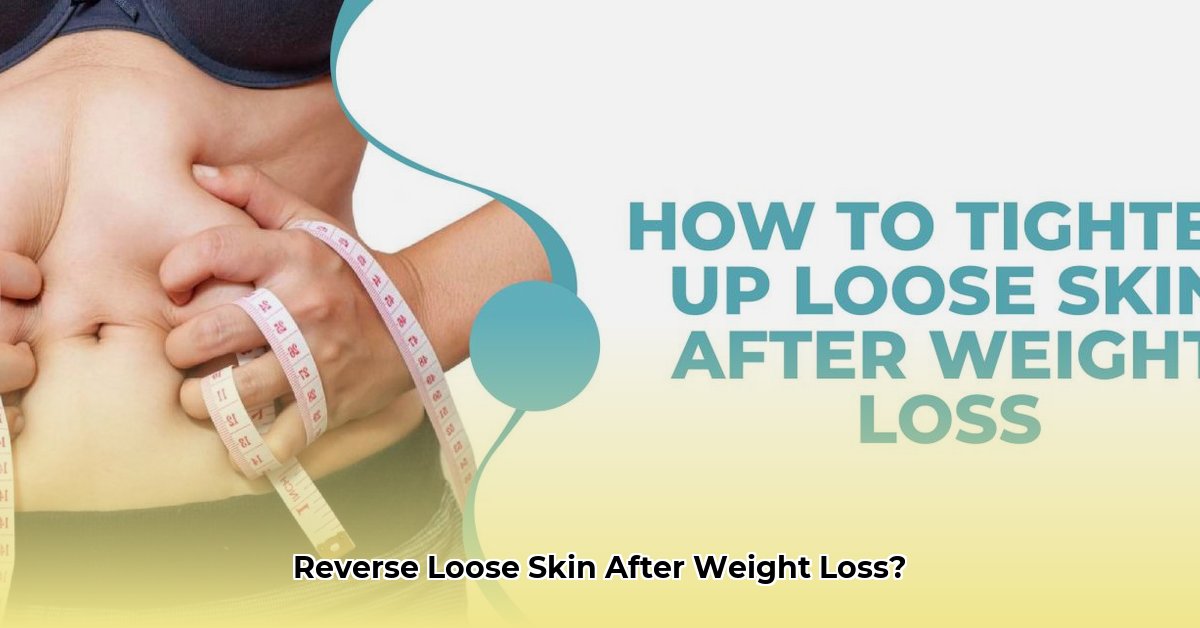
Successfully achieving your weight loss goals is a significant accomplishment. However, many individuals experience loose skin as a consequence. This instructional guide explores red light therapy (RLT), a non-invasive method showing promise for addressing this common post-weight loss concern. We'll provide a step-by-step approach to using RLT effectively and safely.
Understanding Red Light Therapy (Photobiomodulation)
Red light therapy, also known as photobiomodulation, utilizes low-level red and near-infrared (NIR) light to stimulate cellular activity within your skin. Think of it as a gentle energy boost that jumpstarts your skin's natural repair processes. This increased energy production promotes the creation of collagen and elastin—the proteins responsible for skin firmness, elasticity, and a youthful appearance. Increased collagen and elastin translate to smoother, tighter skin.
Benefits of Red Light Therapy for Loose Skin
RLT offers several potential benefits for addressing loose skin after weight loss:
- Improved Skin Elasticity: By boosting collagen and elastin production, RLT may significantly improve skin elasticity, reducing sagging and enhancing suppleness.
- Enhanced Skin Texture: Many users report improvements in skin texture, including a reduction in the appearance of wrinkles and fine lines, leading to smoother, more even-toned skin.
- Non-Invasive and Convenient: Unlike surgical options, RLT is non-invasive, painless, and requires no downtime, easily fitting into your daily routine. At-home devices offer convenient treatments whenever you choose.
Choosing the Right Red Light Therapy Device
Selecting the appropriate RLT device involves a few key considerations:
- Wavelength: Opt for devices emitting light within the 630-700 nanometer (nm) range (red light) and/or 700-1200nm (near-infrared light). These wavelengths are most effective for collagen stimulation and deeper tissue penetration, respectively.
- Irradiance (Intensity): Irradiance, measured in milliwatts per square centimeter (mW/cm²), reflects the light's intensity. Higher irradiance generally means more effective stimulation, but always adhere to the manufacturer's guidelines to prevent potential harm.
- Reputable Manufacturer: Look for well-established manufacturers with positive user reviews and transparent data on device specifications.
- Treatment Area Coverage: Consider the size of the treatment area. Devices range from handheld units for smaller areas to larger panels for broader coverage.
- Ease of Use and Design: Prioritize devices known for user-friendly design and easy operation.
Step-by-Step Guide to Using Red Light Therapy
- Cleanse Your Skin: Thoroughly cleanse the target area with a gentle cleanser to remove any dirt, oil, or makeup, optimizing light penetration.
- Proper Device Placement: Position the device according to the manufacturer's instructions, maintaining the recommended distance to prevent overheating or discomfort.
- Treatment Duration and Frequency: Adhere strictly to the manufacturer's recommendations regarding treatment duration (typically several minutes per session) and frequency (often several times per week).
- Consistent Usage: Consistency is crucial. Regular treatments are essential for achieving noticeable results.
- Sun Protection: Since RLT might increase sun sensitivity, always apply a broad-spectrum sunscreen with SPF 30 or higher when exposed to sunlight.
Potential Side Effects and Precautions
Red light therapy is generally considered safe; however, some individuals may experience temporary mild redness or warmth at the treatment site. These effects are typically minor and transient. If you have existing skin conditions (e.g., eczema, psoriasis) or are taking photosensitive medications, consult a dermatologist before using RLT.
Expected Results and Timelines
Results vary greatly depending on individual factors like skin type, age, and the degree of skin laxity. While some see improvements within weeks, others may require several months for significant changes. Patience and consistency are key. It's a gradual process, not an overnight solution.
Cost Considerations
Compared to surgical options like tummy tucks, RLT is generally more affordable. The total cost depends on the device's price, treatment frequency, and duration.
Actionable Plan
Remember, RLT works best alongside a healthy lifestyle. Combine it with a balanced diet, regular exercise, and proper hydration for optimal results. Always consult a healthcare professional before starting any new treatment. They can provide personalized advice based on your specific needs and health conditions.
Disclaimer: This information is for educational purposes only and does not constitute medical advice. Consult a healthcare professional before starting any new treatment.